

Focused Academic Sessions.
Our two-hour blocks for primary learners and four-hour blocks for teens distill core subjects into short, high-impact bursts. By matching brain science on attention and memory, students stay engaged, avoid burnout, and build strong foundations that last.
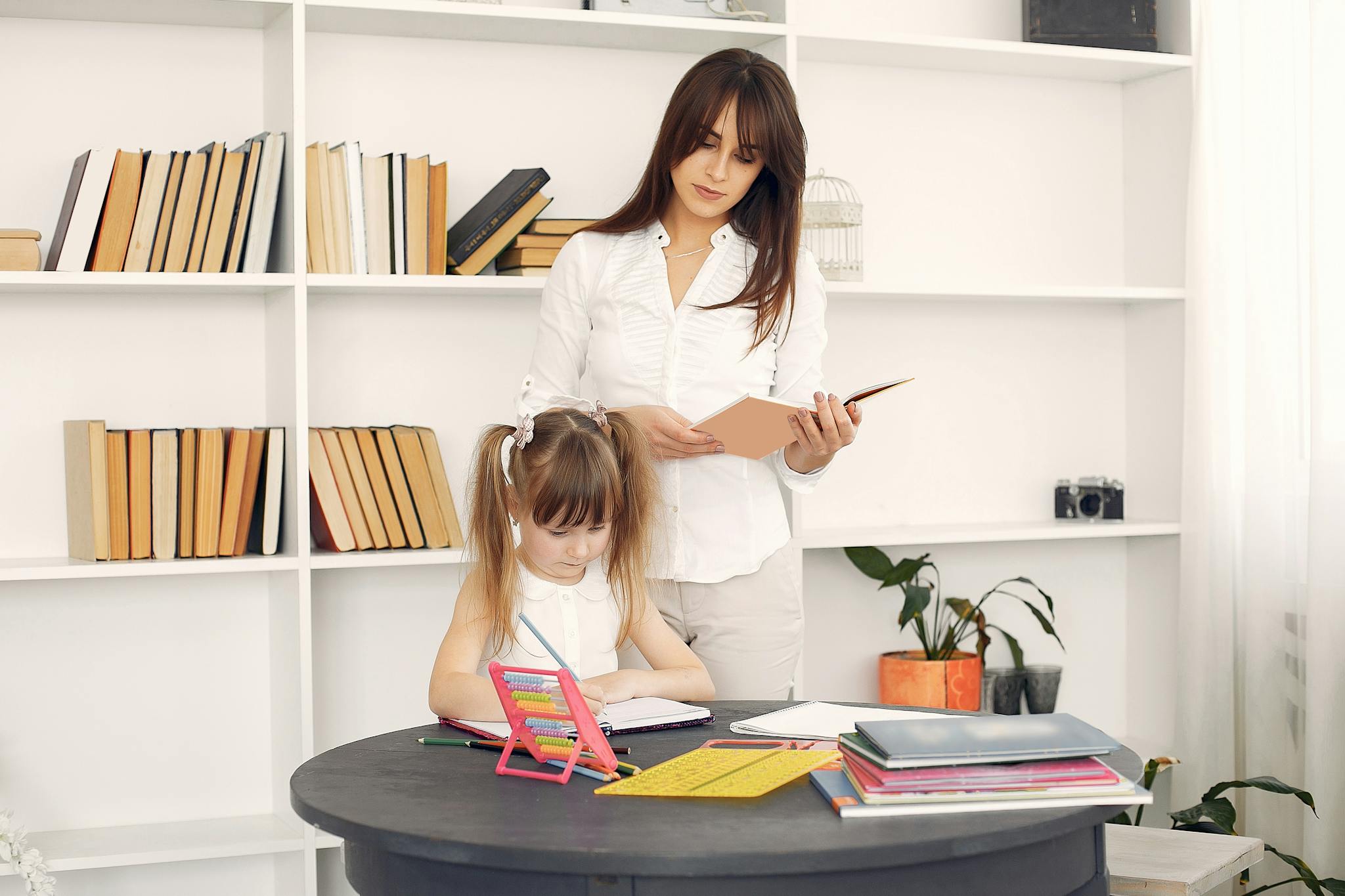
Personalized Learning Guidance
On-site facilitators partner with each learner to set clear goals, sharpen planning and organization skills, and adapt to sensory or emotional needs. This one-to-one support nurtures confidence, independence, and self-reflection—transforming passive study into active growth.
Flexible, Child-Centered Rhythm
With early or mid-morning sessions and open-ended afternoons, every child chooses the flow that suits them. This balance of structure and freedom nurtures intrinsic motivation, social connection, and well-being—so learners feel empowered, not pressured.
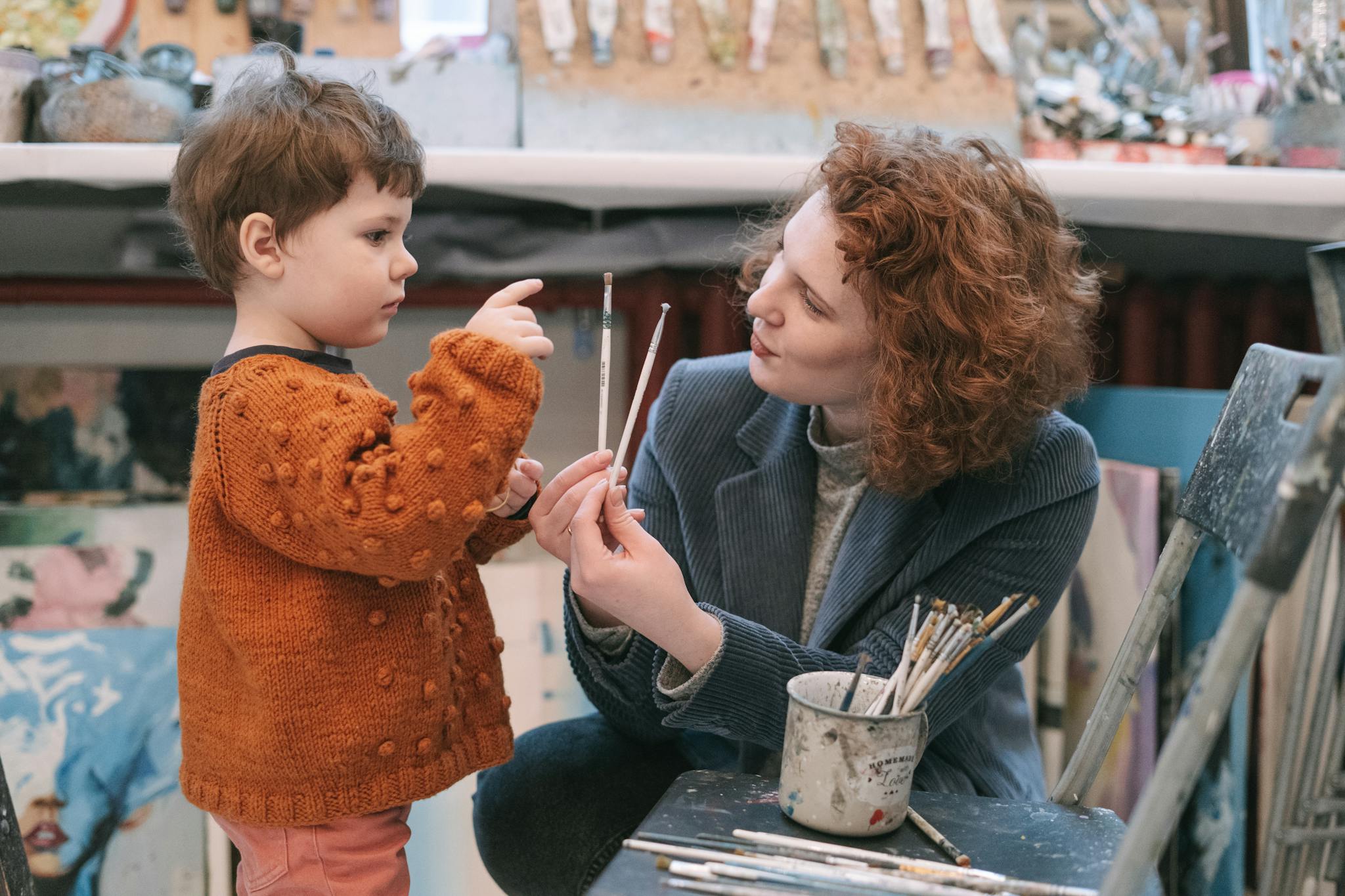
Hands-On Real-World Projects
From measuring flour in the baking corner to tending seedlings in our garden station, students apply academic concepts to everyday tasks. These projects boost problem-solving, creativity, and resilience while making learning tangible and deeply rewarding.
At The Lighthouse Academy, we believe education works best when it reflects how children actually learn. Research in developmental psychology and education shows that focused academic learning is most effective in short, intentional bursts. Studies on attention and memory highlight that children retain knowledge best when learning is structured, yet limited in duration. For primary school learners, just two hours of purposeful academic engagement per day is sufficient to build strong foundations, if that time is tailored and meaningful. The rest of the day is best devoted to play, creativity, social connection, and real-life experiences that deepen learning and wellbeing.